

Sustainability Practices
Industrial fishing practices have far-reaching negative consequences on marine ecosystems, local economies, and global food security. These large-scale operations often prioritize profit over sustainability, leading to several critical issues that threaten the health of our oceans and the communities that depend on them.
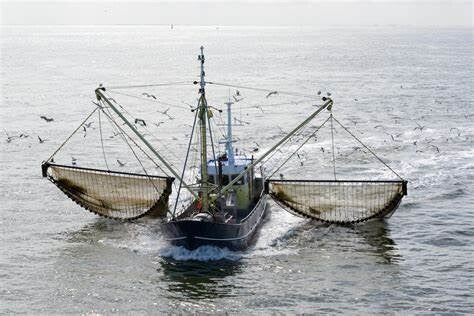
Economic Inequality: Industrial fishing often undermines the livelihoods of small-scale, local fishermen who rely on sustainable practices. Large corporations dominate the market, driving down prices and pushing local fishermen out of business. This economic displacement not only harms coastal communities but also weakens local economies that depend on sustainable fishing practices.
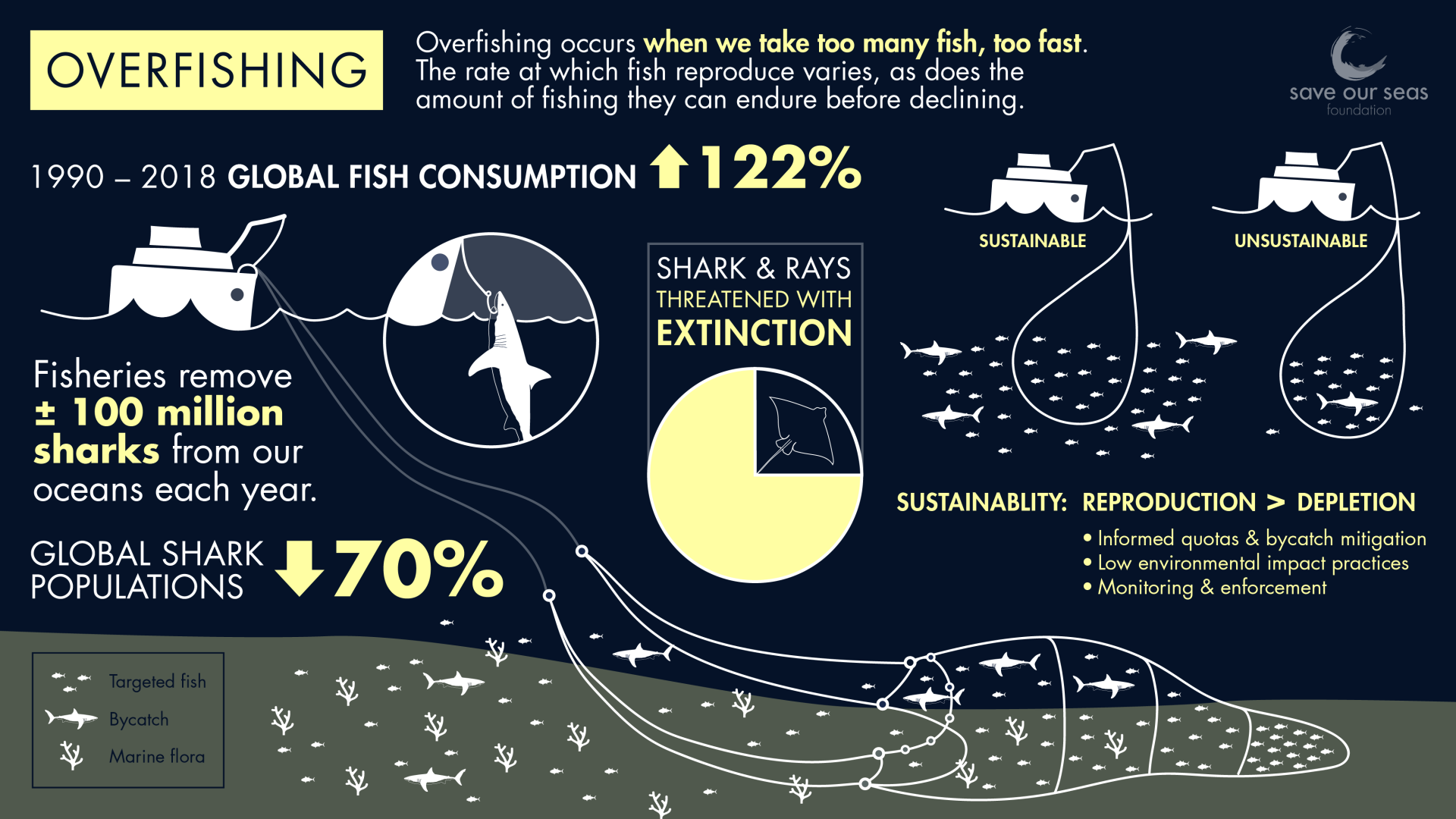
Illegal, Unreported, and Unregulated (IUU) Fishing: Many industrial fishing operations engage in illegal, unreported, and unregulated fishing activities. These practices contribute to overfishing, threaten marine biodiversity, and undermine efforts to manage and conserve fish stocks responsibly. IUU fishing also often involves exploitative labor practices, further exacerbating social and economic issues.
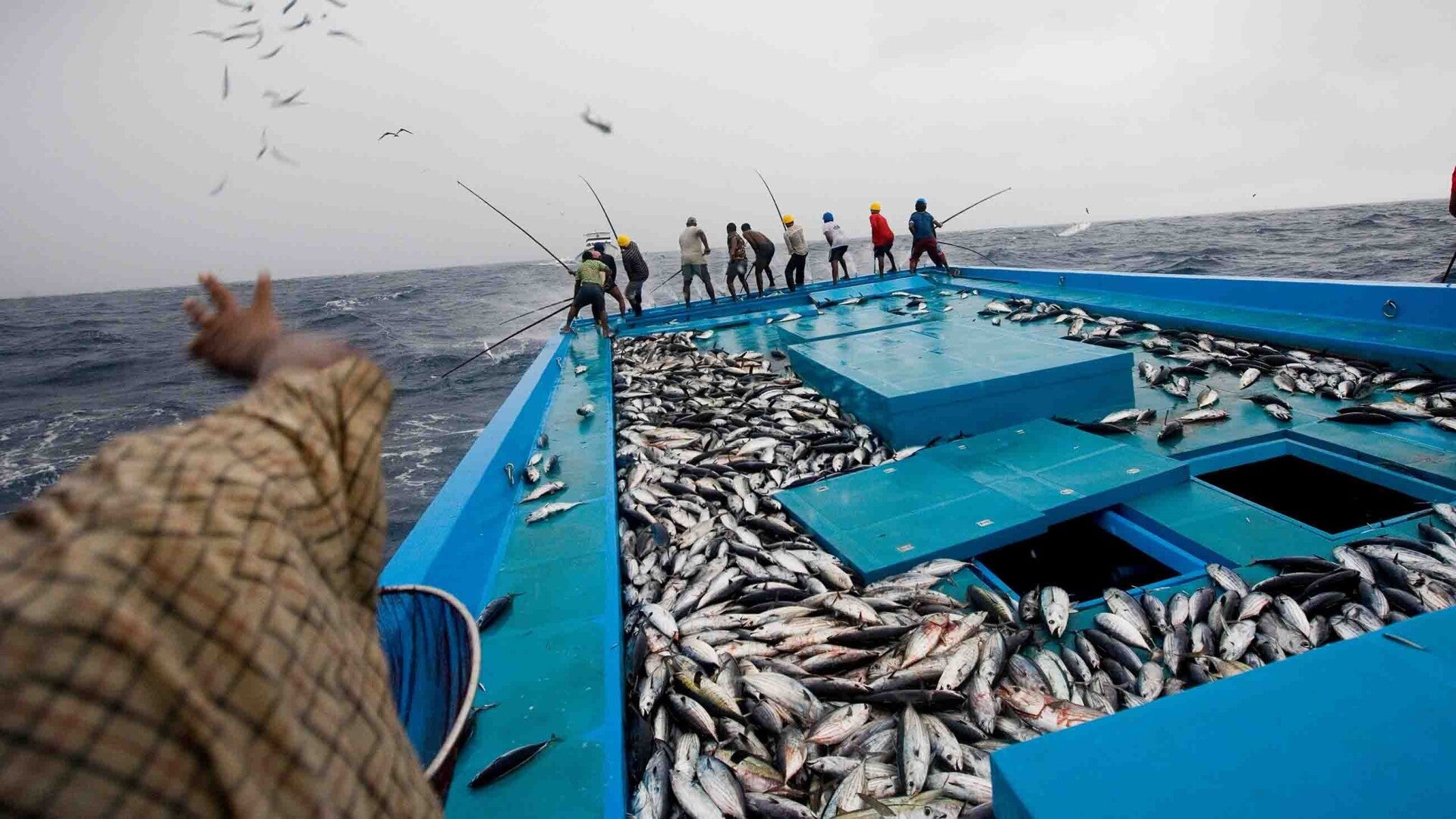
Habitat Destruction: Industrial fishing methods, such as bottom trawling, involve dragging heavy nets across the ocean floor. This practice destroys delicate marine habitats, including coral reefs and seagrass beds, which are essential for the survival of many marine species. The loss of these habitats compromises the health of entire ecosystems and reduces the ocean's resilience to environmental changes.
Create Your Own Website With Webador